

the land of work
caserta & san leucio
Caserta and San Leucio: The Land of Work and Silk Production. Nestled in the Campania region of southern Italy, Caserta and its neighboring district of San Leucio stand as historic symbols of industrious craftsmanship and innovation, especially renowned for their silk production. This area, rich in culture and tradition, uniquely intertwines royal ambition with the diligent spirit of labor, creating a fascinating narrative of economic and artistic development.
Photo courtesy of Paolo Tarantino through unsplash.com
Caserta is famously home to the Royal Palace of Caserta, a grand masterpiece of baroque architecture commissioned in the 18th century by the Bourbon kings.
The Royal Palace of Caserta, located in southern Italy near Naples, stands as one of the most magnificent and ambitious architectural achievements of the 18th century. Commissioned by Charles VII of Naples in 1752, this grand palace was designed to rival the grandeur of Versailles and to serve as a symbol of Bourbon power and prestige.
Architect Luigi Vanvitelli masterminded the design, blending Baroque and early Neoclassical styles into an astonishing complex. The palace stretches over 235,000 square meters, making it one of the largest royal residences in the world. Its imposing façade is complemented by vast gardens, an elaborate waterworks system with fountains and cascades, and a richly decorated interior boasting over 1,200 rooms. These include lavish royal apartments, a grand theater, a stunning chapel, and vast halls adorned with frescoes and priceless artworks.
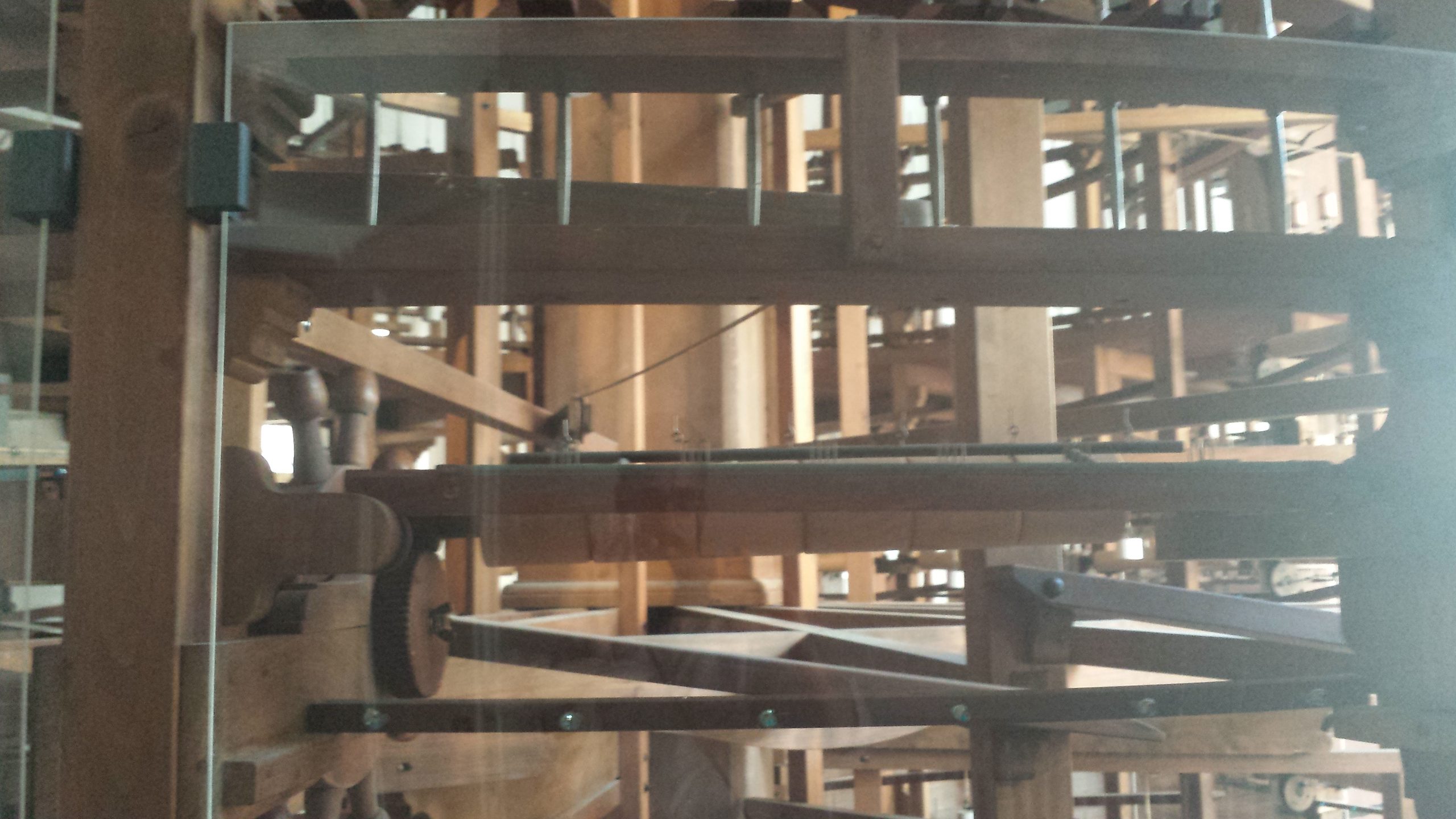
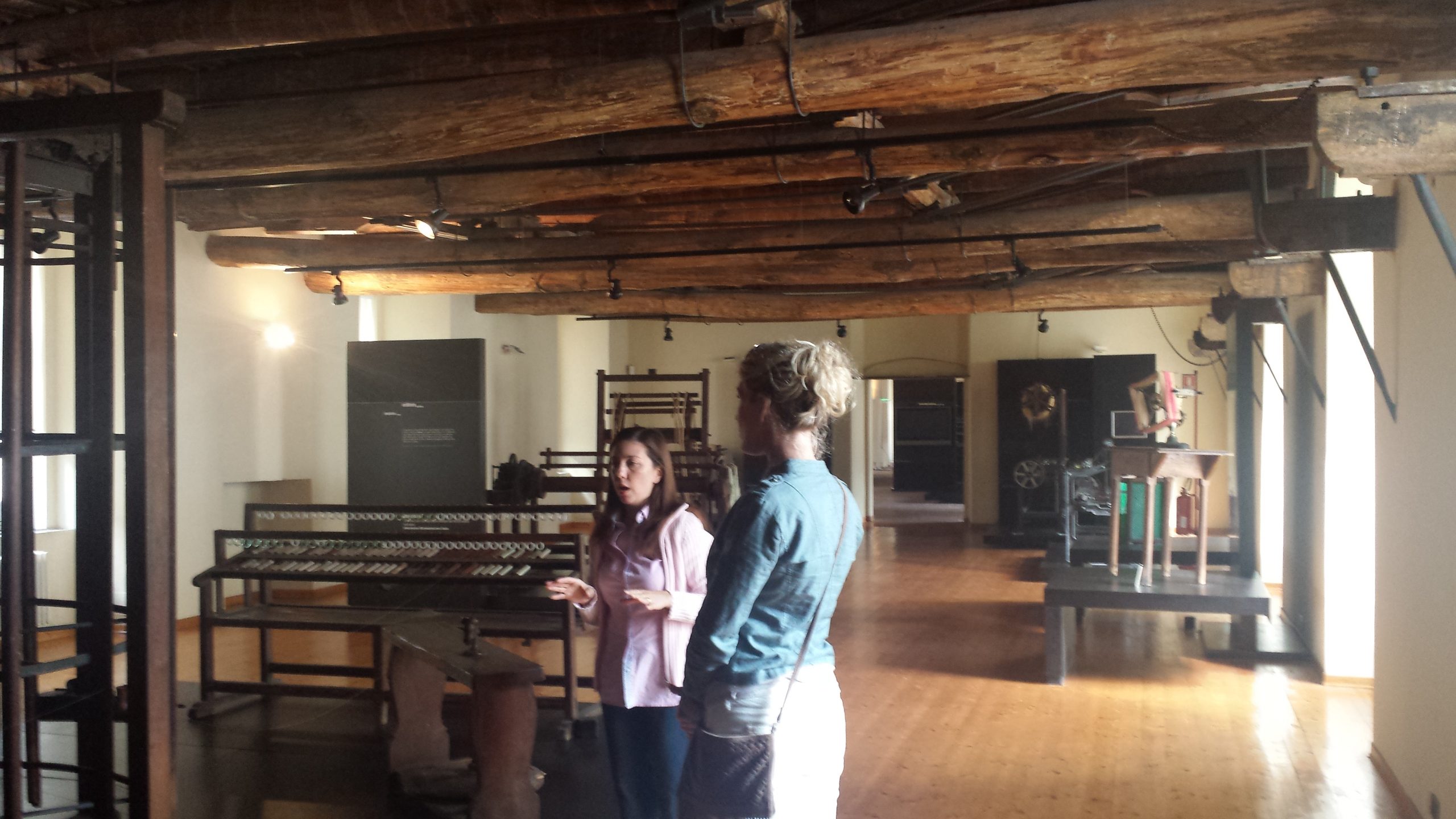
San Leucio, a short distance away, holds a special place in the history of labor and industry. Established under the vision of King Ferdinand IV, San Leucio was designed as a model silk-producing community, combining advanced industrial techniques with enlightened social policies. The king aimed to create a self-sufficient, harmonious society where workers lived and worked in dignity, producing some of the finest silk in Europe.
The silk factory at San Leucio became a beacon of innovation, integrating cutting-edge machinery of the time with skilled craftsmanship. The community itself was carefully planned to support the workers’ welfare, including housing, education, and cultural life, reflecting a progressive approach to labor relations in the 18th and 19th centuries. This blend of productivity and social care made San Leucio a unique experiment in industrial and social organization, influencing similar initiatives elsewhere.
Today, Caserta and San Leucio stand not only as tourist attractions but as living testimonies to the value of work and the legacy of silk production. They remind us how industry and human dignity can coexist, shaping a cultural heritage that still resonates in contemporary discussions about labor, craftsmanship, and community.
travelling dialogue experiences
talking tours
Need suggestions about your trip?
Drop me a message to talk about your trip to Napoli and surroundings. I would be glad to get in touch with you, also in order to spend some time talking about how to make this world a better place to live in.