

Archeological sites
Pompeii, Hercolaneum & CO.
Naples, a vibrant city in southern Italy, is renowned not only for its rich culture and cuisine but also for its extraordinary archaeological heritage. The area surrounding Naples offers a fascinating journey into the ancient world, revealing sites that underscore the region’s historical significance in Roman and pre-Roman times.
Pompeii and Herculaneum: Time Capsules of Antiquity
Pompeii and Herculaneum are two of the most significant and well-preserved ancient Roman archaeological sites near Naples, famously buried by the catastrophic eruption of Mount Vesuvius in 79 AD.
Pompeii was a bustling Roman city, and its ruins provide an unparalleled snapshot of daily life in the Roman Empire. Excavations reveal streets lined with shops, homes, temples, baths, and theaters, many adorned with vivid frescoes and mosaics. The sudden volcanic ash preserved buildings, artifacts, and even the forms of victims, offering unique insights into Roman urban planning, culture, and society.
Herculaneum, smaller but equally remarkable, was a wealthier town situated closer to the volcano. It was buried under a thick layer of volcanic mud, which preserved organic materials such as wooden furniture, food, and even papyrus scrolls. The site reveals luxurious villas with intricate decorations and well-preserved structures that highlight the lifestyle of the Roman elite.
Together, these sites provide a powerful historical record, attracting scholars and visitors worldwide who seek to understand ancient Roman civilization and the dramatic impact of the Vesuvius eruption. Both are UNESCO World Heritage Sites and essential destinations for anyone interested in archaeology and history.
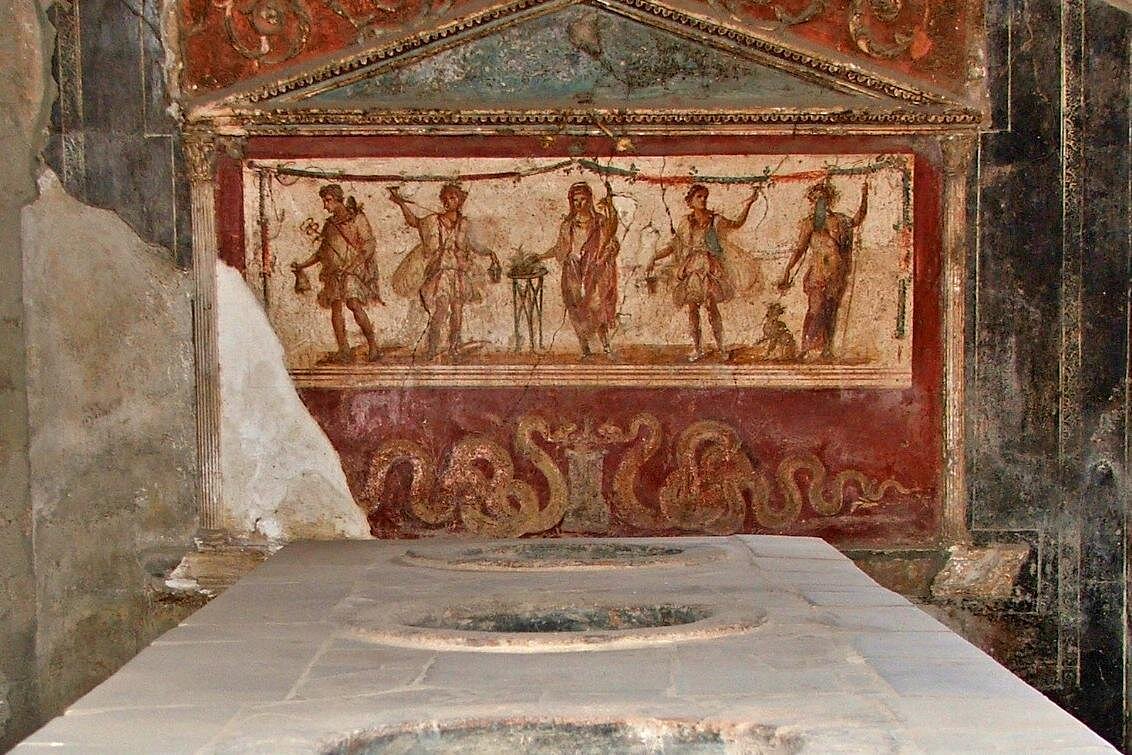
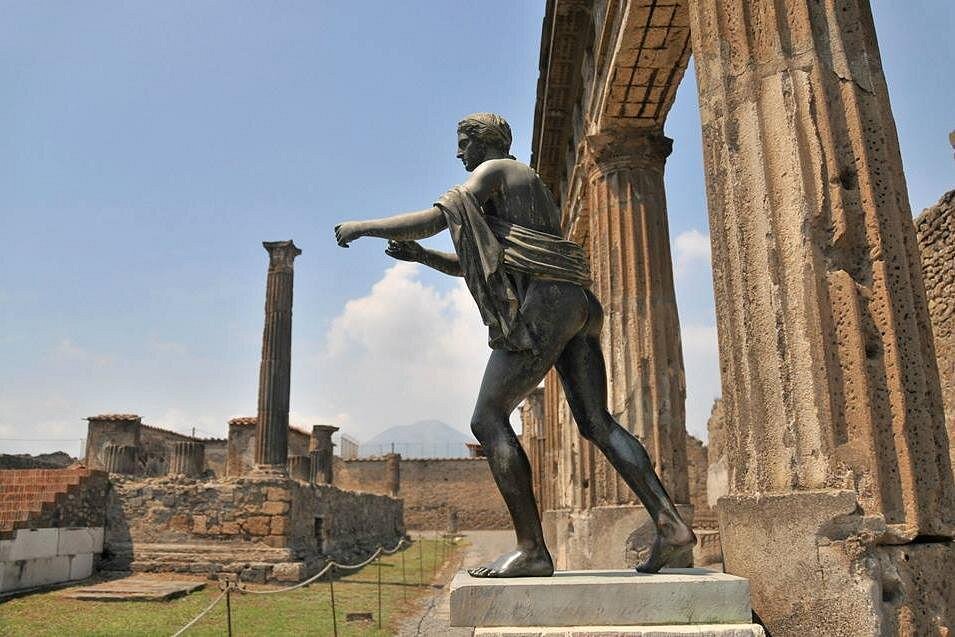
The Historic Heart of Naples: The Naples Underground
Beneath the bustling streets of Naples lies the Naples Underground, a network of ancient Greek and Roman tunnels, aqueducts, and catacombs. This subterranean labyrinth tells the story of the city’s development over millennia and reveals how inhabitants ingeniously adapted their environment for water management and defense.
The Oplontis Ruins
The Oplontis ruins, located in Torre Annunziata near Naples, are a remarkable archaeological site that offers a fascinating glimpse into Roman villa life before the eruption of Mount Vesuvius in 79 AD. The site is home to the Villa Poppaea, an expansive and luxurious Roman villa believed to have belonged to Poppaea Sabina, the second wife of Emperor Nero.
The villa is renowned for its well-preserved frescoes, intricate mosaics, and grand architectural elements, which showcase the opulence of elite Roman residences. Visitors can explore beautifully decorated rooms, gardens, and baths that reflect the sophisticated lifestyle of the Roman aristocracy.
Oplontis is less crowded than Pompeii and Herculaneum, making it an excellent destination for those interested in Roman art and architecture, with the added benefit of a quieter, more intimate atmosphere. It is an essential stop for anyone exploring the archaeological richness of the Naples area.
travelling dialogue experiences
talking tours
Need suggestions about your trip?
Drop me a message to talk about your trip to Napoli and surroundings. I would be glad to get in touch with you, also in order to spend some time talking about how to make this world a better place to live in.