

the phlegrean fileds
pozzuoli, baia, miseno & co.
The Phlegraean Fields, Puteoli, and the Roman Harbour. The Phlegraean Fields, known in Latin as the Campi Flegrei, represent a fascinating volcanic area west of Naples, Italy. This vast volcanic caldera has been both a source of natural wonder and danger throughout history. Near this region lies Puteoli, an ancient Roman city that played a crucial role as a major harbour and commercial hub during the Roman Empire.
The Phlegraean Fields: A Volcanic Landscape
The Phlegraean Fields are a large volcanic area characterized by numerous craters, hot springs, fumaroles, and bubbling mud pools. This region is part of a supervolcano system, with a history of eruptions that have shaped the landscape and influenced local settlements. The name “Phlegraean” comes from the Greek word “phlegraios,” meaning “burning,” reflecting the fiery nature of the area. Ancient Romans were aware of the volcanic activity here and often associated it with myths and divine powers.
Puteoli: The Ancient Roman Port City
Puteoli, now known as Pozzuoli, was a thriving city during Roman times. It served as the principal harbour for Rome’s vast Mediterranean trade network before the rise of Ostia. Located on the northern shore of the Bay of Naples, Puteoli’s deep and sheltered harbour made it ideal for docking large trading vessels. The city was a bustling commercial center where goods from across the empire were imported and exported, including grain, wine, and luxury items.
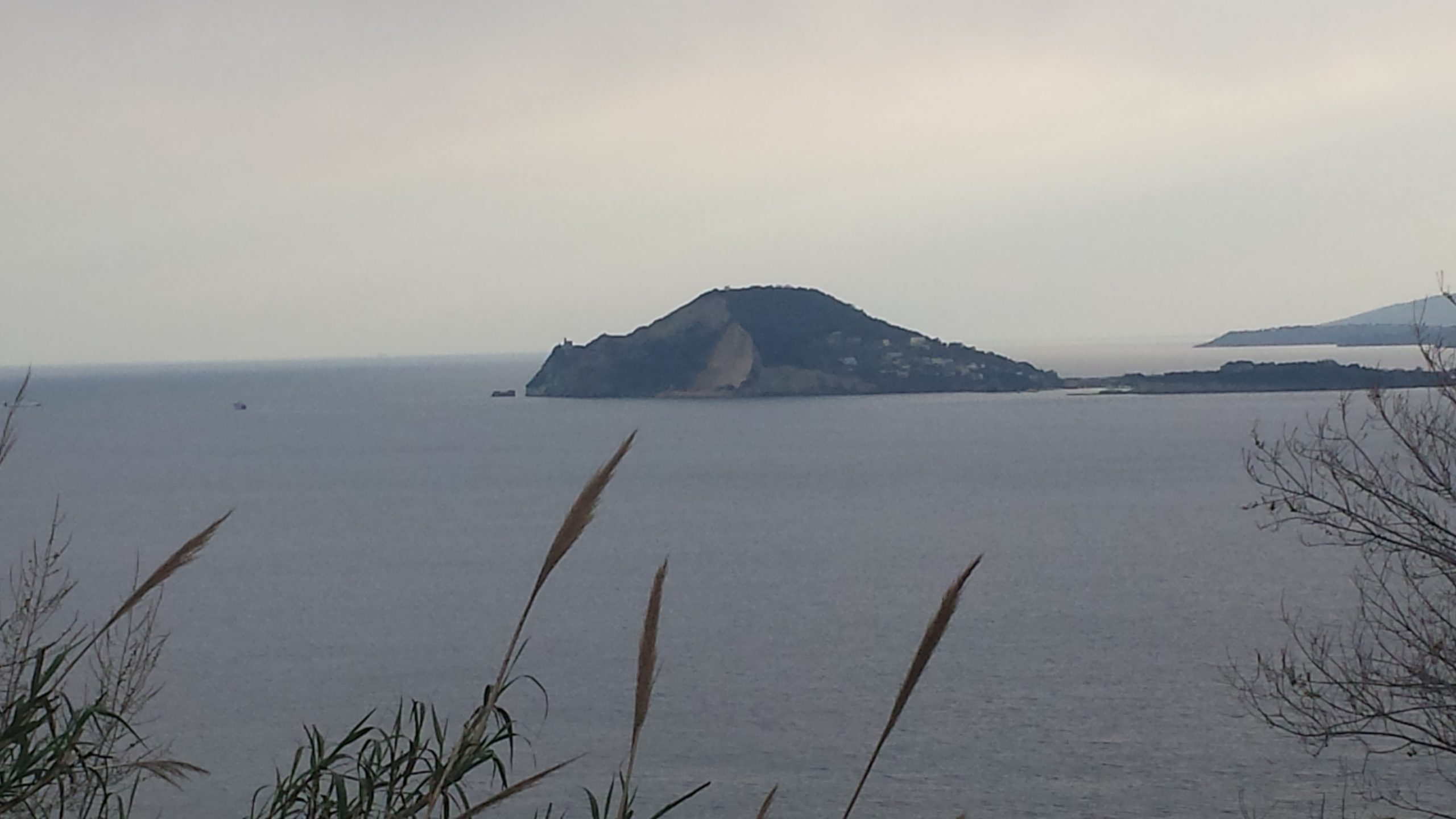

The Roman Harbour and Its Importance
The Roman harbour at Puteoli was not only a commercial gateway but also a strategic military port. It featured extensive docks, warehouses, and facilities to service ships. The harbour’s infrastructure reflected advanced Roman engineering, accommodating a large number of vessels and ensuring the smooth flow of goods and people. This harbour played a vital role in supporting Rome’s economy and its ability to sustain a growing population.
Moreover, Puteoli’s proximity to the Phlegraean Fields meant that the city was built on volcanic terrain, which influenced its architecture and urban development. The natural thermal springs in the area also attracted visitors seeking health benefits, adding a cultural dimension to the city’s identity.
The Phlegraean Fields and Puteoli together illustrate the complex relationship between nature and civilization in ancient Italy. While volcanic activity posed risks, it also enriched the region with unique natural features and resources. Puteoli’s harbour was a cornerstone of Roman commerce and naval power, linking the empire to distant lands. Today, these sites offer a captivating glimpse into the dynamics of ancient geography, economy, and culture, reminding us of how environment and human ingenuity intertwine across history.
travelling dialogue experiences
talking tours
Need suggestions about your trip?
Drop me a message to talk about your trip to Napoli and surroundings. I would be glad to get in touch with you, also in order to spend some time talking about how to make this world a better place to live in.